Why Gen Z Is the Most Tech-Savvy Generation



Introduction
Technology has always played a defining role in shaping generations. From the rise of television and personal computers to the advent of the internet and smartphones, each generation has experienced technological breakthroughs that influenced how they live, work, and communicate. However, no generation has been as deeply connected to technology from birth as Generation Z.
Born between the mid-1990s and early 2010s, Gen Z has grown up in an environment where digital technology is not an innovation but a normal part of everyday life. Unlike previous generations that had to learn and adapt to emerging technologies, Gen Z entered a world where smartphones, high-speed internet, social media, streaming platforms, and digital communication were already firmly established. As a result, they possess a level of technological fluency that distinguishes them from any generation before them.
Their relationship with technology extends far beyond simply knowing how to use devices. Technology influences how they learn, communicate, socialize, shop, entertain themselves, and even build careers. This deep integration of technology into nearly every aspect of life has earned Gen Z the reputation of being the most tech-savvy generation in history.
Growing Up in a Digital-First World
One of the biggest reasons Gen Z is considered technologically advanced is the environment in which they were raised. For previous generations, technology represented a significant change that gradually transformed daily life. Many people remember using paper maps, encyclopedias, DVDs, landline telephones, and desktop computers. Technology was something they adopted over time.
Gen Z's experience has been fundamentally different. They have grown up in a world where digital connectivity has always existed. Information has always been available at their fingertips. Communication has always been instant. Entertainment has always been on demand. Because technology has been present throughout their formative years, they interact with digital tools with a level of comfort and familiarity that feels almost instinctive.
This constant exposure has enabled Gen Z to develop digital skills naturally. Instead of attending formal training sessions to understand new technologies, they often learn through exploration, experimentation, and observation. Their ability to intuitively navigate digital environments is one of the key factors that makes them exceptionally tech-savvy.
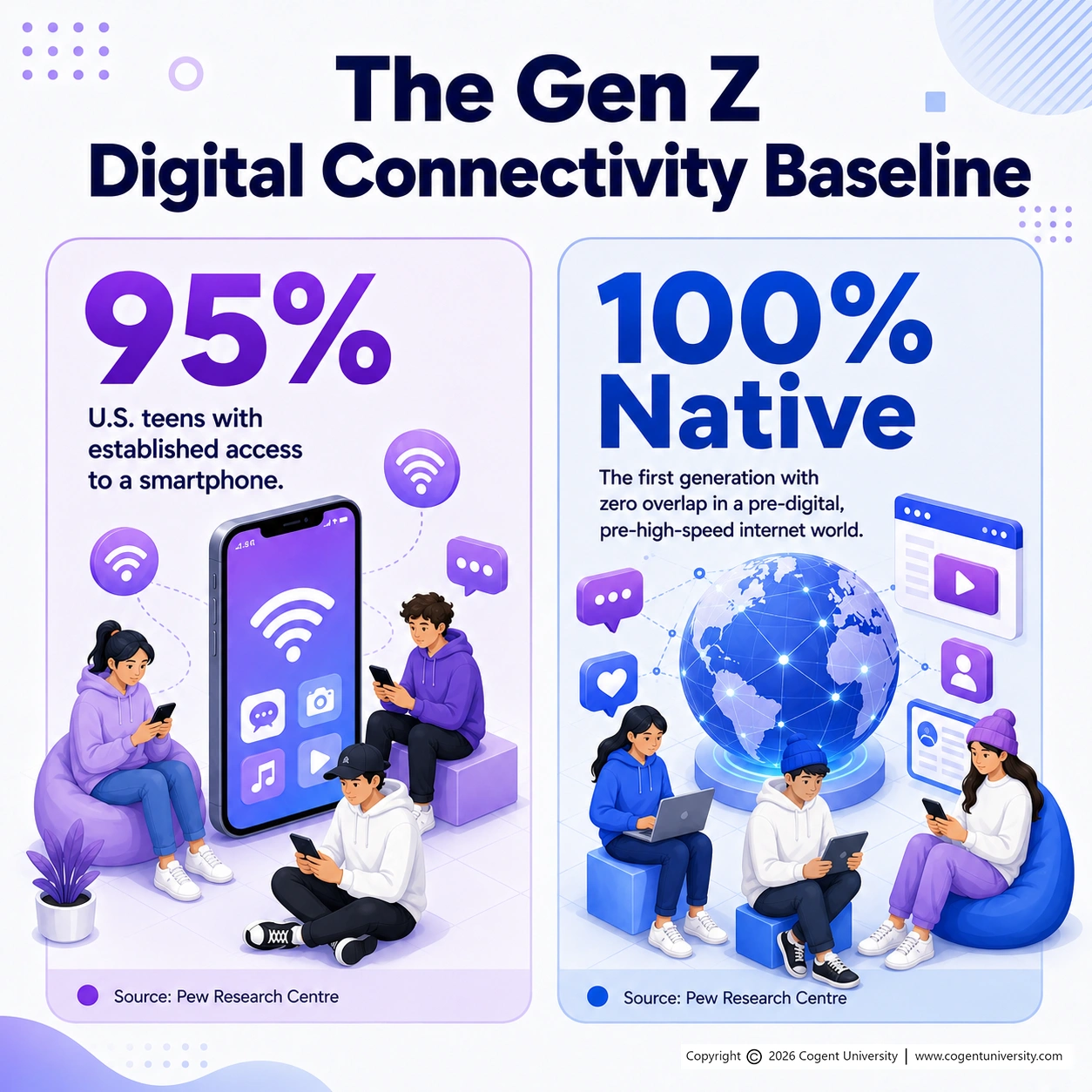
A recent Pew Research Center study found that 95% of U.S. teens have access to a smartphone, highlighting how deeply digital technology is embedded in the lives of younger generations. This near-universal access has helped shape Gen Z's comfort with technology from an early age.
Digital Natives Rather Than Digital Adopters
The term "digital native" is frequently used to describe Gen Z, and for good reason. While older generations had to adapt to technological advancements throughout their lives, Gen Z was born into a world where digital technology was already integrated into society.
Being a digital native means that technology is not viewed as a separate tool but as a natural extension of daily life. This distinction is important because it affects how individuals approach new technologies. Previous generations often learn technology through structured processes and training. Gen Z, on the other hand, tends to learn through discovery.
When faced with a new app, platform, or software program, many Gen Z users are comfortable exploring features independently until they understand how it works. This willingness to experiment allows them to adapt quickly to technological changes and remain comfortable in constantly evolving digital environments.
The Ability to Adapt to Rapid Technological Change
Technology evolves faster today than at any other point in history. New platforms emerge, software updates occur regularly, and innovations continuously reshape industries. While rapid technological change can be overwhelming for some, Gen Z has developed an exceptional ability to adapt.
Growing up during an era of constant digital transformation has taught them that change is normal. Social media platforms rise and fall. New communication tools appear every year. Artificial intelligence applications continue to evolve. Because they have spent their entire lives navigating shifting digital landscapes, Gen Z is generally more comfortable embracing new technologies than resisting them.
This adaptability gives them a significant advantage. Whether learning a new workplace collaboration platform, exploring emerging AI tools, or experimenting with virtual reality applications, they tend to approach innovation with curiosity rather than hesitation.
Social Media Has Become a Native Language
Much of Gen Z's technological expertise is evident in how they use social media. While older generations often view social media primarily as a communication tool, Gen Z understands it as a complex digital ecosystem.
They recognize that each platform serves a unique purpose and requires different forms of engagement. Their communication style varies depending on the audience, platform, and content format. More importantly, they understand the mechanisms behind digital engagement.
According to Pew Research Center's latest findings, 90% of U.S. teens use YouTube, 63% use TikTok, and 61% use Instagram. These numbers demonstrate how social platforms have become central to communication, entertainment, learning, and content discovery for Gen Z.
This understanding has transformed from passive consumers of content into active participants in digital culture. They are not merely scrolling through platforms; they are navigating, creating, influencing, and shaping digital conversations.
The Rise of the Creator Generation
Unlike previous generations that primarily consumed digital content, Gen Z has grown up during the rise of the creator economy. Millions of young people regularly create videos, podcasts, blogs, digital artwork, livestreams, and social media content.
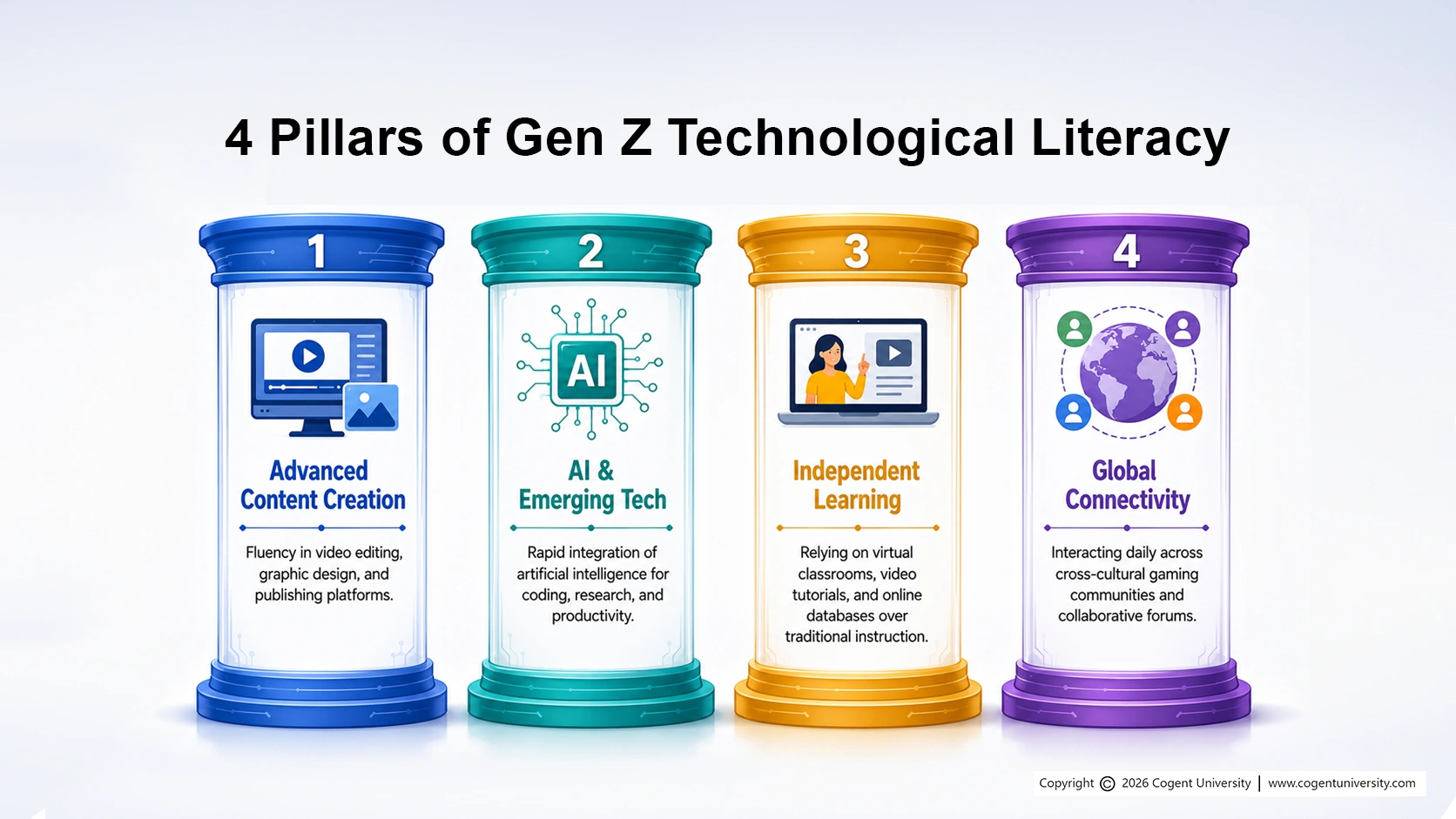
Creating content requires a diverse set of technological skills. Video editing software, graphic design tools, analytics dashboards, publishing platforms, and audience engagement strategies have become familiar territory for many members of Gen Z.
This hands-on experience with digital production tools has accelerated technological literacy. Instead of simply interacting with technology as consumers, Gen Z frequently engages with technology as creators, giving them a deeper understanding of how digital platforms function.
Smartphones as a Central Hub of Daily Life
No discussion of Gen Z's technological expertise would be complete without addressing the role of smartphones. For this generation, smartphones are far more than communication devices. They serve as personal assistants, entertainment centers, shopping platforms, educational resources, navigation systems, banking tools, and productivity devices.
Because smartphones play such a central role in daily life, Gen Z has developed an advanced understanding of mobile technology. They are accustomed to managing multiple applications, cloud-based services, digital wallets, streaming platforms, and online communities simultaneously.
Artificial Intelligence and Emerging Technologies
One of the clearest indicators of Gen Z's technological confidence is their willingness to embrace emerging technologies. Artificial intelligence, in particular, has become a powerful example of this trend.
While some people remain cautious about AI-powered tools, many Gen Z users have enthusiastically incorporated them into their daily routines. They use artificial intelligence for research, productivity, content creation, learning, coding assistance, and creative projects.
Rather than viewing AI as something intimidating, they often see it as a tool that enhances efficiency and supports innovation.
Learning in the Digital Age
Education has played a significant role in developing Gen Z's technological capabilities. Throughout their academic experiences, digital tools have become standard components of learning environments. Online research databases, virtual classrooms, educational applications, video tutorials, and collaborative platforms have transformed how knowledge is accessed and shared.
As a result, Gen Z has developed highly independent learning habits. When faced with a challenge, they are often comfortable seeking information online, watching tutorials, participating in digital communities, or using AI-powered tools to find solutions.
Technology Has Changed How They Shop and Make Decisions
Technology has also transformed how Gen Z approaches consumer behavior. Before making purchases, they typically conduct extensive research, compare options, read reviews, watch demonstrations, and seek feedback from online communities.
This research-driven mindset reflects a generation that values information and transparency. Rather than relying solely on advertising messages, they use technology to evaluate products independently and make informed decisions.
The Impact of Global Connectivity
Perhaps one of the most remarkable aspects of Gen Z's relationship with technology is the level of global connectivity they experience. Through social media platforms, online gaming communities, forums, and collaborative tools, they interact with people from diverse backgrounds and cultures on a daily basis.
This exposure has broadened their perspectives and increased their awareness of global trends. Unlike previous generations whose experiences were often shaped primarily by local environments, Gen Z participates in a global digital ecosystem where ideas, innovations, and cultural influences travel instantly.
Additionally, Pew Research found that nearly half of U.S. teens report being online almost constantly, illustrating just how connected this generation is to the digital world.
How Gen Z Is Transforming the Workplace
As Gen Z enters the workforce, their technological expectations are influencing workplace culture. They expect organizations to provide modern digital tools, flexible communication systems, cloud-based collaboration platforms, and efficient workflows.
Outdated technology is often viewed as a barrier to productivity rather than an inconvenience. Consequently, businesses are increasingly investing in digital transformation initiatives to meet the expectations of younger employees and remain competitive.
Many organizations are discovering that Gen Z employees bring valuable technological insights that help accelerate innovation. Their familiarity with emerging tools and digital-first thinking often contributes to more agile and efficient work environments.
Challenges of Being Constantly Connected
Despite their technological strengths, Gen Z also faces challenges associated with growing up in a hyperconnected world. Constant access to information can lead to digital fatigue, information overload, and increased concerns about privacy and online security.
Social media can create pressure, comparison, and mental health challenges. The expectation of constant availability can blur the boundaries between personal and professional life.
However, Gen Z is also leading important conversations about digital wellness, privacy protection, responsible technology use, and mental health awareness. Their understanding of technology includes both its benefits and its potential drawbacks, creating a more balanced perspective on digital life.
Conclusion
Gen Z has earned the title of the most tech-savvy generation because technology has been an inseparable part of their lives from the very beginning. Their status as digital natives has given them an intuitive understanding of digital tools, online communication, content creation, and emerging technologies. They learn quickly, adapt effortlessly, and embrace innovation with a level of confidence rarely seen in previous generations.
More importantly, Gen Z is not simply consuming technology; they are influencing its future. Their preferences shape digital platforms, their behaviors drive innovation, and their expectations push businesses to evolve. As artificial intelligence, automation, virtual reality, and other emerging technologies continue to transform society, Gen Z will remain at the center of these changes.
Understanding Gen Z is ultimately about understanding where technology is headed next. Their relationship with digital innovation offers valuable insight into the future of communication, commerce, education, and work. In many ways, Gen Z is not just the most tech-savvy generation; they are the generation helping define what the next era of technology will look like.
The future of work will be built by those who understand the next generation of technology users.
At Cogent Infotech, we help organizations harness digital-first talent, modern workforce strategies, and emerging technology solutions to stay ahead of change. Partner with us to build a smarter, faster, future-ready business.
Build Your Future-Ready Workforce!